Behind every exceptional cup of coffee are countless women whose skill, dedication, and innovation shape the industry. From farm to cup, women are not just participants—they're leaders, visionaries, and the backbone of coffee communities worldwide.
The Hidden Majority
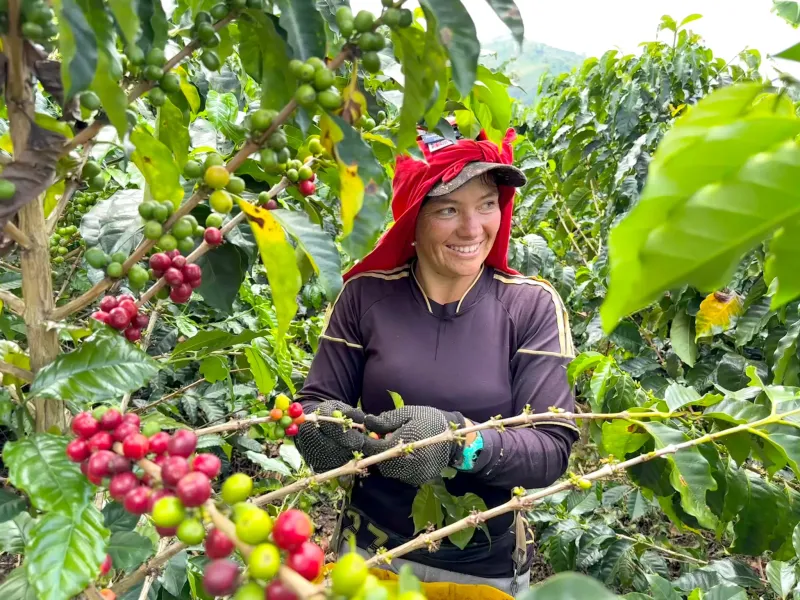
Women perform an estimated 70% of the work in coffee production, yet historically they've owned less than 20% of coffee farms. They're the ones who plant seedlings, tend to growing plants, harvest cherries with precision, and process beans with meticulous care. Despite this essential role, women have long faced barriers to land ownership, access to credit, and leadership positions.
But the landscape is changing. Across coffee-growing regions, women are breaking through barriers, establishing cooperatives, gaining recognition for their expertise, and creating pathways for the next generation of female coffee professionals.
Excellence in Cultivation
Research consistently shows that female farmers often produce higher-quality coffee. Studies suggest this stems from several factors: attention to detail during harvesting, careful processing methods, and holistic farm management approaches. Women farmers are also more likely to adopt sustainable practices, invest in community welfare, and prioritize long-term soil health over short-term yields.
In Colombia, female farmers have won numerous Cup of Excellence awards—prestigious competitions recognizing the world's finest coffees. These victories aren't just about individual achievement; they represent decades of expertise that's finally receiving recognition.
Building Communities Through Cooperatives
Women-led cooperatives have transformed coffee communities. These organizations provide:
- Economic empowerment: Direct market access, fair pricing, and ownership of means of production
- Education: Training in agronomy, processing techniques, quality control, and business management
- Financial services: Access to credit, savings programs, and investment opportunities
- Community support: Childcare facilities, healthcare programs, and mutual aid networks
- Voice: Representation in industry decisions and policy discussions
These cooperatives don't just improve coffee quality—they strengthen entire communities. When women control their income, research shows they invest heavily in their children's education, family nutrition, and community infrastructure.
The Processing Pioneers
Women have been at the forefront of processing innovation. Traditional knowledge passed down through generations of mothers and daughters has created some of coffee's most distinctive processing methods. In recent years, female processors have experimented with fermentation techniques, drying methods, and quality control protocols that have revolutionized specialty coffee.
At washing stations throughout Colombia, women manage the crucial post-harvest phase where coffee's flavor profile is shaped. Their precision in timing fermentation, monitoring moisture levels, and sorting beans has set new quality standards in the industry.
Breaking Into Roasting and Leadership
The historically male-dominated roasting profession is experiencing a gender shift. Female roasters are bringing fresh perspectives, innovative flavor profiles, and collaborative approaches to what was once an exclusive club. Many are also championing direct trade relationships, ensuring that female farmers receive recognition and fair compensation.
From café owners to coffee buyers, quality controllers to competition judges, women are taking leadership positions across the supply chain. Their presence is creating more equitable, transparent, and sustainable business practices.
Challenges That Remain
Despite progress, significant challenges persist:
- Land rights: In many regions, women cannot legally own property or inherit land
- Financial access: Banks often require male co-signers or deny credit to women entirely
- Education gaps: Girls in coffee regions may have limited access to education
- Labor burden: Women often handle both farm work and all domestic responsibilities
- Recognition: Women's contributions remain invisible in many supply chains
- Pay disparity: Even when performing the same work, women often receive lower wages
Addressing these challenges requires systemic change—updated laws, shifted cultural norms, and intentional support from buyers, roasters, and consumers.
The Impact of Supporting Women in Coffee
When we intentionally support women in coffee, the effects ripple through entire communities:
- Children are more likely to attend school and receive proper nutrition
- Coffee quality improves, benefiting everyone in the supply chain
- Sustainable practices increase, protecting the environment
- Communities become more resilient to economic shocks
- Innovation accelerates as diverse perspectives shape the industry
Juanita's Commitment
At Juanita's Coffee, we're proud to source from women-led farms and cooperatives. We prioritize direct relationships that ensure female producers receive fair prices and recognition for their exceptional work. Our name itself—Juanita—honors the countless women who have dedicated their lives to coffee.
We believe that quality coffee and social equity are inseparable. When women thrive, coffee thrives. Every bag of Juanita's Coffee represents a commitment to the women who make our coffee possible—from the farmer who carefully tends each plant, to the processor who perfects every batch, to the roaster who brings out the best in every bean.
Inspiring Stories
Meet some of the remarkable women we work with:
María Elena - Third Generation Farmer
María Elena inherited her grandmother's coffee farm in the mountains of Huila, Colombia. Through careful experimentation with processing methods and varietals, she's developed a coffee that consistently scores above 86 points—specialty grade. She now trains other women in her community in quality-focused farming techniques.
Catalina - Cooperative Leader
Catalina founded a women's cooperative that now includes 47 female farmers. The cooperative provides training, equipment sharing, and direct market access. Since its founding five years ago, member incomes have increased by an average of 40%, and all members' children now attend school.
Ana Sofia - Master Roaster
After years working in coffee farming, Ana Sofia trained as a roaster and now operates her own roasting facility. She specializes in highlighting the unique characteristics of coffees from women producers, creating demand and premium prices for their harvests.
How You Can Support Women in Coffee
- Choose coffee brands that prioritize women producers and transparency
- Ask your local café about their sourcing practices
- Support organizations working to empower women in coffee-growing regions
- Share stories of women in coffee to increase visibility
- Recognize that your purchasing decisions have real impact on people's lives
The future of coffee is female—and it's brighter, more sustainable, and more delicious because of it. Every time you choose coffee that supports women producers, you're investing in quality, equity, and thriving communities.
Support Women in Coffee
Choose coffee that empowers women farmers and celebrates their exceptional work.
Shop Our Collection