Great coffee starts with quality beans, but brewing technique determines whether those beans reach their full potential. Master these professional methods to transform your daily coffee ritual into an exceptional experience.
The Fundamentals: What Every Brewer Should Know
Before diving into specific methods, understanding these core principles will elevate any brewing technique:
Water Quality and Temperature
Coffee is 98% water, so water quality dramatically impacts your final cup. Use filtered water to remove chlorine and impurities. The ideal brewing temperature is 195-205°F (90-96°C). Water that's too hot extracts bitter compounds, while water that's too cool under-extracts, creating weak, sour coffee.
Coffee-to-Water Ratio
The golden ratio is 1:16—one gram of coffee to sixteen grams of water. For stronger coffee, use 1:15; for milder, try 1:17. Consistency is key: invest in a digital scale to measure precisely. Volumetric measurements (tablespoons and cups) vary too much for reliable results.
Grind Size Matters
Grind size controls extraction rate. Fine grinds expose more surface area, extracting quickly; coarse grinds extract slowly. Match your grind to your brewing method:
- Extra fine: Turkish coffee
- Fine: Espresso, Moka pot
- Medium-fine: Pour-over cones, Aeropress
- Medium: Drip coffee makers, siphon
- Medium-coarse: Chemex
- Coarse: French press, cold brew
Freshness is Everything
Coffee starts losing flavor immediately after roasting. For best results, use beans within 2-4 weeks of the roast date. Grind just before brewing—pre-ground coffee goes stale in hours. Store beans in an airtight container away from light, heat, and moisture.
Method 1: Pour-Over (V60, Kalita, Melitta)
Pour-over brewing gives you complete control over the process, producing a clean, nuanced cup that highlights origin characteristics.
What You Need:
- Pour-over dripper and paper filter
- 22g coffee, medium-fine grind
- 350g water at 200°F
- Gooseneck kettle for precision
- Digital scale and timer
The Process:
1. Prep (0:00): Place filter in dripper, rinse with hot water to remove paper taste and preheat the vessel. Discard rinse water. Add coffee grounds and shake to level.
2. Bloom (0:00-0:45): Start timer. Pour 44g water (twice the coffee weight) in circular motion, ensuring all grounds are saturated. This releases trapped CO2 and prepares grounds for even extraction. Wait until 0:45.
3. First pour (0:45-1:15): Pour in slow, steady spiral from center outward, reaching 200g total. Maintain consistent pour rate.
4. Second pour (1:15-1:45): Continue pouring to 300g total, using same spiral technique.
5. Final pour (1:45-2:00): Pour remaining water to reach 350g total.
6. Drawdown: Let coffee drain completely. Total brew time should be 3:00-3:30. If faster, grind finer; if slower, grind coarser.
Method 2: French Press
French press produces full-bodied, richly textured coffee with pronounced oils and sediment. It's forgiving and doesn't require special equipment.
What You Need:
- French press
- 30g coffee, coarse grind (like sea salt)
- 500g water at 200°F
- Timer
The Process:
1. Preheat: Pour hot water into press, swirl, and discard to preheat.
2. Add coffee: Add grounds to press.
3. Pour and stir: Pour all water, saturating grounds evenly. Stir gently with wooden spoon to break crust and ensure even saturation.
4. Steep: Place plunger on top without pressing. Steep for 4 minutes exactly.
5. Break crust: Use spoon to skim foam and floating grounds from surface. This reduces bitterness and sediment.
6. Press and serve: Press plunger down slowly and steadily. Pour immediately to prevent over-extraction.
Pro Tip:
Transfer coffee to a carafe immediately after pressing. Leaving it in the French press continues extraction, making it bitter.
Method 3: Espresso
Espresso is concentrated coffee brewed under 9 bars of pressure. It's the foundation for lattes, cappuccinos, and Americanos.
What You Need:
- Espresso machine
- Burr grinder with fine adjustment
- 18-20g coffee, fine grind
- Tamper
- Scale
The Process:
1. Dial in: This is the most critical step. You're aiming for 18-20g of coffee to yield 36-40g of espresso in 25-30 seconds. This ratio (typically 1:2) balances sweetness, acidity, and body.
2. Dose: Weigh coffee into portafilter basket. Distribute grounds evenly by tapping and stirring to eliminate clumps.
3. Tamp: Apply even, level pressure (about 30 lbs) to create uniform puck density. The surface should be flat and smooth.
4. Extract: Lock portafilter, start extraction immediately. Espresso should flow like warm honey—thick, syrupy, with crema forming. If it pours too fast (under 20 seconds), grind finer or dose more. If too slow (over 35 seconds), grind coarser or dose less.
5. Taste and adjust: Properly extracted espresso tastes sweet and balanced. Sour? Under-extracted—grind finer. Bitter? Over-extracted—grind coarser.
Method 4: Aeropress
The Aeropress is versatile, portable, and produces clean coffee with a variety of techniques—from espresso-style to pour-over style.
Standard Method:
- 17g coffee, medium-fine grind
- 250g water at 200°F
The Process:
1. Setup: Place paper filter in cap, rinse, attach to chamber. Place chamber on mug, add coffee.
2. Add water: Pour all water at once, saturating grounds completely.
3. Stir: Stir vigorously for 10 seconds to ensure even extraction.
4. Steep: Insert plunger slightly to create pressure seal. Steep for 1:30 total.
5. Press: Press slowly and steadily over 30 seconds until you hear a hiss.
Inverted Method:
Many Aeropress enthusiasts prefer the inverted method, which allows longer steep times without dripping. Flip the Aeropress upside down, add coffee and water, steep, attach filter cap, flip onto mug, and press.
Method 5: Cold Brew
Cold brew uses time instead of temperature to extract coffee, creating a smooth, sweet, low-acid concentrate.
What You Need:
- 100g coffee, coarse grind
- 1000g (1 liter) room temperature or cold water
- Large jar or pitcher
- Filter or cheesecloth
The Process:
1. Combine: Add coffee to vessel, pour water, stir gently to ensure all grounds are saturated.
2. Steep: Cover and refrigerate for 12-24 hours. Longer steeping creates stronger concentrate.
3. Strain: Filter through fine-mesh strainer or cheesecloth into clean container.
4. Dilute and serve: The concentrate is strong. Dilute 1:1 with water or milk. Serve over ice.
Cold brew concentrate keeps for up to 2 weeks refrigerated, making it perfect for meal prep.
Common Mistakes to Avoid
- Using boiling water: Let water cool 30 seconds after boiling to reach optimal temperature
- Inconsistent grinding: Blade grinders create uneven particle sizes. Invest in a burr grinder
- Wrong ratio: "Eyeballing" measurements leads to inconsistent results. Use a scale
- Stale coffee: Check the roast date, not the "best by" date. Use within a month
- Dirty equipment: Coffee oils turn rancid. Clean brewers weekly with dedicated cleaner
- Impatience: Rushed extraction under-extracts. Follow timing guidelines
Troubleshooting Your Brew
Sour coffee: Under-extracted. Try finer grind, hotter water, or longer brew time.
Bitter coffee: Over-extracted. Try coarser grind, cooler water, or shorter brew time.
Weak coffee: Increase coffee-to-water ratio or grind finer.
Muddy, gritty texture: Grind is too fine for your method. Coarsen the grind.
The Art of Tasting
To truly master brewing, develop your palate. Use this framework to evaluate your coffee:
- Aroma: What do you smell? Fruity, floral, nutty, chocolatey?
- Acidity: Brightness on the tongue. Is it pleasant and lively or sharp and sour?
- Body: The weight and texture. Light like tea, or heavy like whole milk?
- Flavor: What specific tastes do you detect? Berries, caramel, citrus?
- Finish: The aftertaste. Does it linger pleasantly or disappear quickly?
- Balance: Do all elements work together harmoniously?
Experiment and Enjoy
These techniques provide a solid foundation, but coffee brewing is personal. Experiment with ratios, temperatures, and timings to find what tastes best to you. Keep notes on what works and what doesn't. The journey to your perfect cup is half the fun.
Practice with Premium Beans
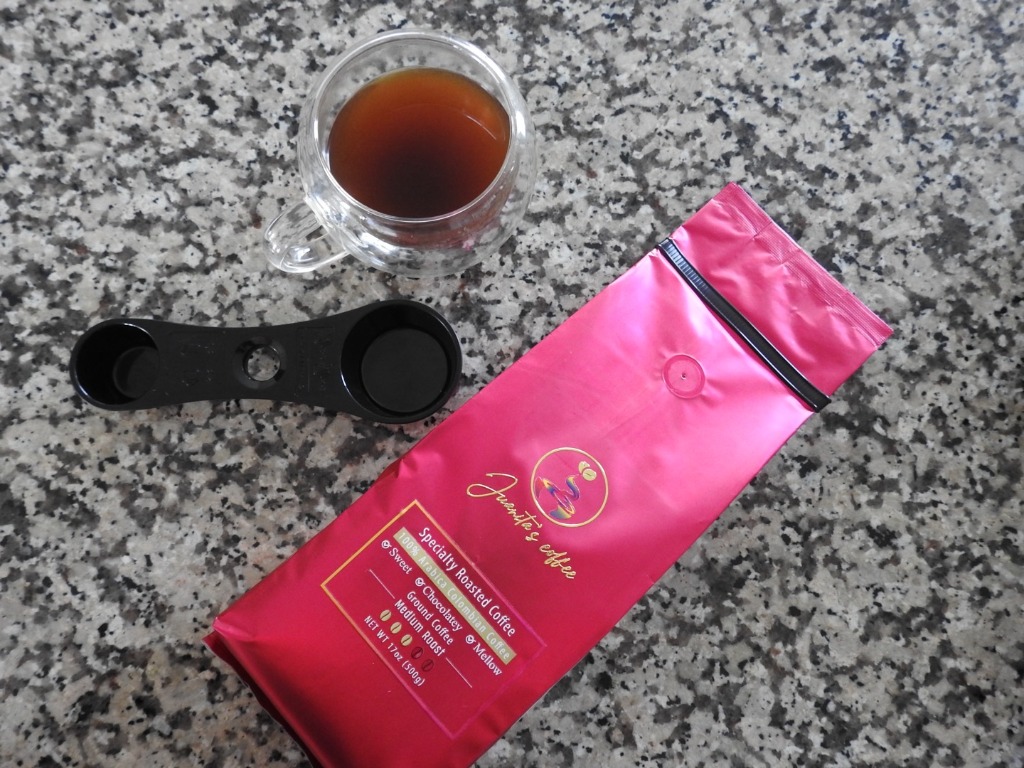
Master these techniques with our exceptional Colombian coffee, roasted to highlight each method's strengths.
Explore Our Coffee