Every sip of coffee represents an incredible journey that spans continents, involves countless hands, and transforms a small cherry into one of the world's most beloved beverages. Let's follow the path from farm to your morning routine.
Stage 1: Cultivation and Growth
The coffee journey begins in nurseries where carefully selected seeds are planted in nutrient-rich soil. These seedlings require constant attention—shade, water, and protection from pests. After about six months, the young plants are strong enough to be transplanted to their permanent homes in the coffee fields.
Coffee plants thrive in the "Bean Belt," the region between the Tropics of Cancer and Capricorn. Here, they enjoy consistent temperatures between 60-70°F, plenty of rainfall, and rich volcanic soil. It takes 3-4 years for a newly planted coffee tree to produce its first fruit, but once mature, these trees can produce coffee for 20-30 years.
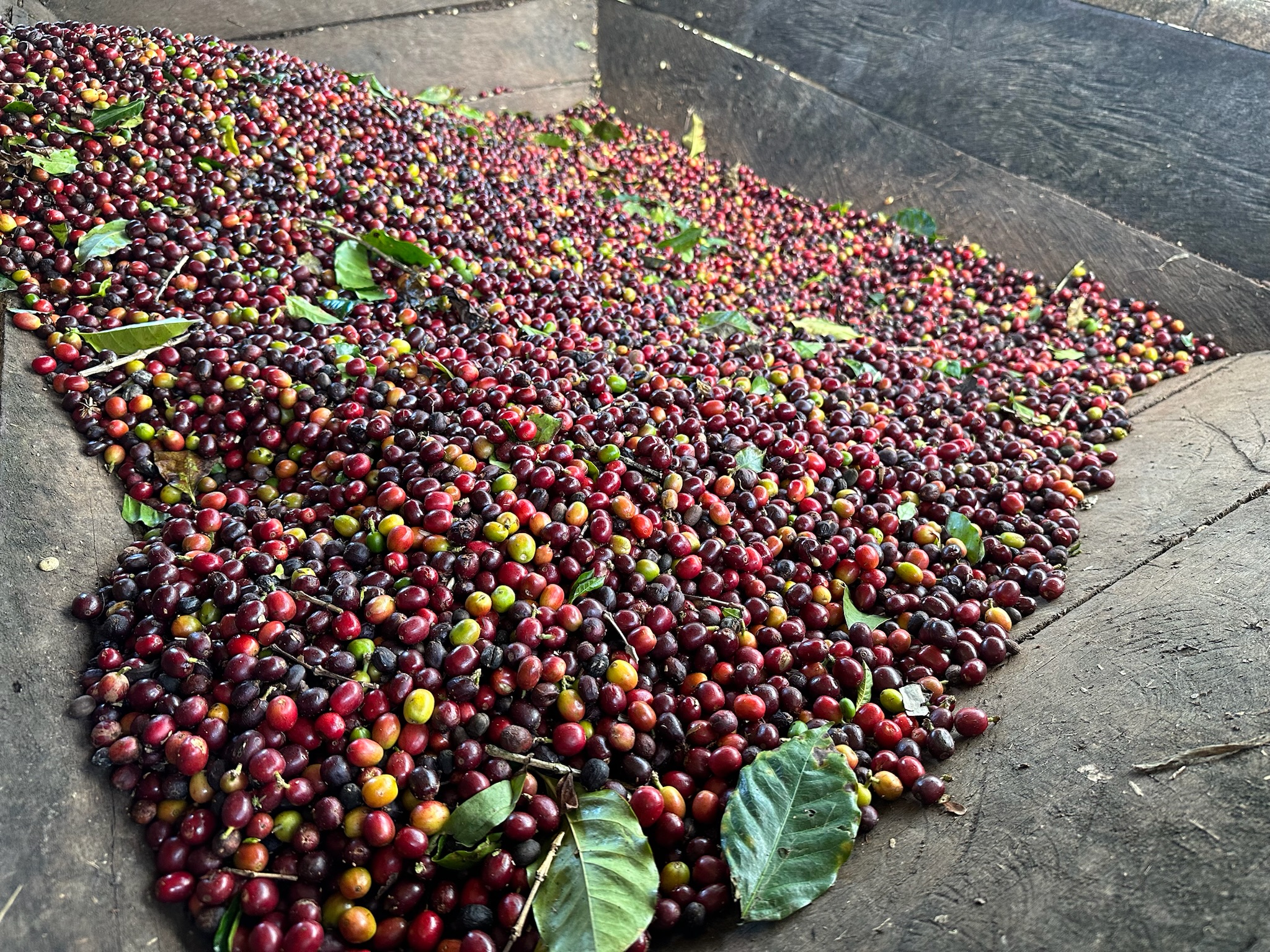
The coffee "cherry" starts as a beautiful white flower with a jasmine-like fragrance. After pollination, the cherry develops slowly over 6-8 months, changing from green to yellow to bright red when fully ripe. This vibrant red color signals harvest time.
Stage 2: Harvesting
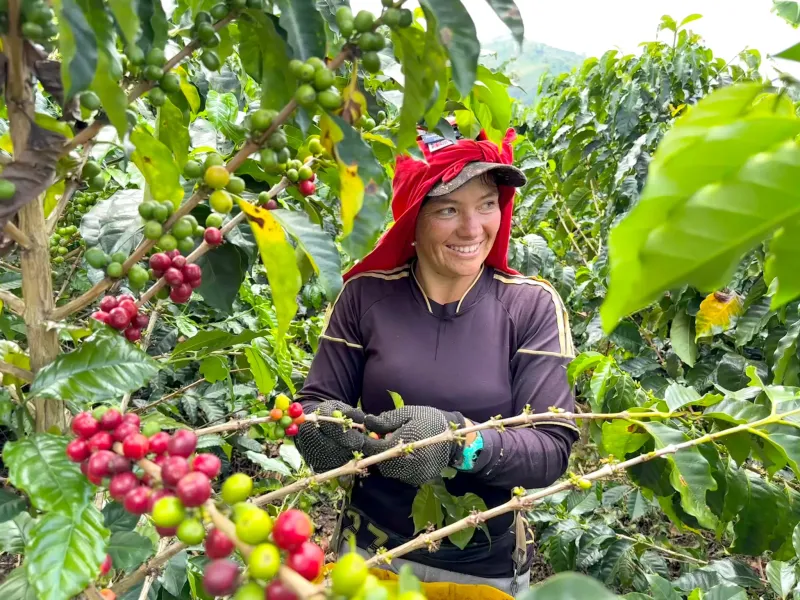
Harvesting is one of the most critical and labor-intensive stages. In specialty coffee production, particularly in Colombia, cherries are hand-picked at peak ripeness. Skilled pickers can distinguish the perfectly ripe cherries from those that are under or over-ripe—a skill that directly impacts the coffee's final quality.
A single picker might harvest between 45-90 kilograms of cherries per day, but this yields only 9-18 kilograms of green coffee beans after processing. During peak harvest season, pickers make multiple passes through the same trees, selecting only the ripest cherries each time.
Stage 3: Processing
Once harvested, the coffee cherries must be processed quickly to prevent spoilage. There are several methods, each imparting different characteristics to the final cup:
Washed (Wet) Process
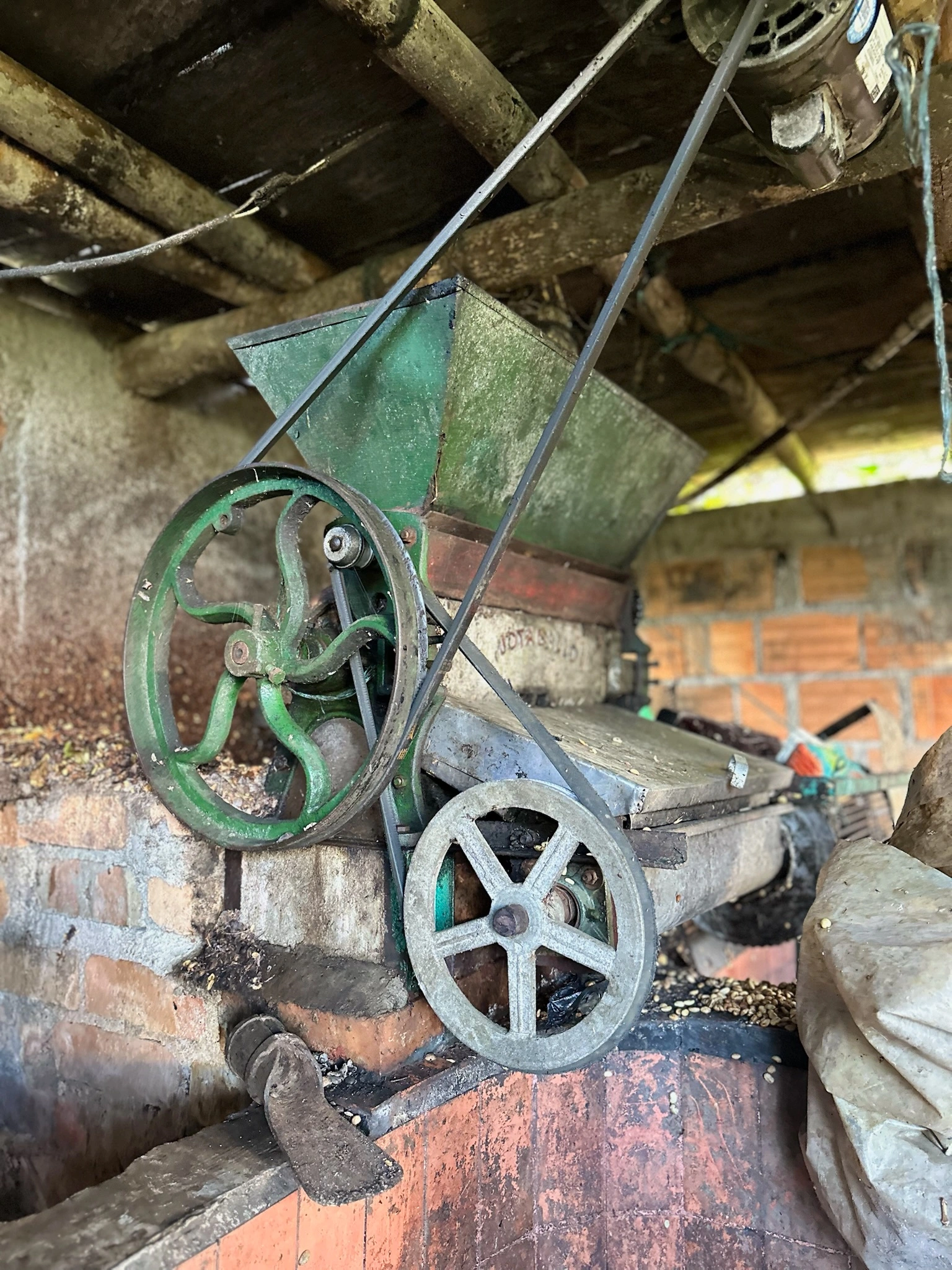
This is the predominant method in Colombia. The cherries are pulped within hours of harvest, removing the outer skin and fruit. The beans, still covered in a sticky mucilage layer, are then fermented in water tanks for 12-48 hours. This fermentation breaks down the mucilage, and the beans are thoroughly washed before drying. The result is a clean, bright cup with pronounced acidity.
Natural (Dry) Process
The oldest method, where whole cherries are spread on patios or raised beds to dry in the sun for 3-4 weeks. This process produces fruity, wine-like flavors with heavier body. Beans must be turned regularly to ensure even drying and prevent mold.
Honey Process
A hybrid method where some mucilage is left on the bean during drying. This creates a sweeter cup with balanced characteristics between washed and natural processes.
Stage 4: Milling and Sorting
After drying to about 11% moisture content, the beans undergo hulling to remove the dried parchment layer. Then comes meticulous sorting—by size, weight, and quality. Defective beans are removed by hand or optical sorters. This careful selection ensures that only the best beans continue on their journey.
Modern facilities use density tables, vibrating screens, and even AI-powered optical sorters to identify and remove defects. However, many specialty producers still rely on trained sorters who can spot imperfections that machines might miss.
Stage 5: Export and Transportation
The green coffee beans are packaged in burlap or GrainPro bags for their international journey. Each bag weighs approximately 60-70 kilograms and is carefully stored in temperature-controlled containers to preserve the beans' quality during their voyage.
Quality coffee is typically shipped within months of harvest to ensure freshness. The beans are shipped "green" because they're more stable and can maintain their quality for up to a year when stored properly—cool, dry, and away from direct sunlight.
Stage 6: Roasting—The Transformation
Roasting is where science meets art. The green beans are heated to temperatures between 370-540°F, depending on the desired roast level. During this process, the beans undergo dramatic physical and chemical changes:
- First Crack (around 385°F): Water inside the bean vaporizes, causing the bean to expand and crack. This marks the beginning of a "light" roast.
- Development Time: The period after first crack where flavor profiles develop. Roasters carefully control this phase to highlight specific characteristics.
- Second Crack (around 435°F): The bean's cellular structure breaks down, releasing oils and creating darker roasts with more body but less origin character.
Master roasters consider the beans' origin, processing method, density, and moisture content. They adjust time and temperature profiles to bring out the best characteristics of each coffee. The entire roasting process typically takes 10-20 minutes, but the decisions made in those minutes define the flavor in your cup.
Stage 7: Grinding and Brewing
The final transformation happens in your kitchen. Grinding breaks down the roasted beans to increase surface area, allowing water to extract the soluble compounds that create coffee's complex flavors. Grind size must match your brewing method:
- Coarse: French press, cold brew
- Medium: Drip coffee makers
- Fine: Espresso machines
During brewing, hot water extracts approximately 30% of the coffee's mass—the soluble compounds that create flavor, aroma, and body. Under-extraction creates sour, weak coffee, while over-extraction produces bitter, harsh flavors. The perfect brew balances these elements.
The Time Investment
Consider this timeline from seed to cup:
- 3-4 years: Plant maturation
- 6-8 months: Cherry development
- 1-4 weeks: Processing and drying
- Days to weeks: Sorting and milling
- Weeks to months: Transportation
- 10-20 minutes: Roasting
- 3-5 minutes: Brewing
That single cup represents roughly 4-5 years of patience, expertise, and care from dozens of people across multiple continents. It's a remarkable journey that deserves appreciation with every sip.
Sustainability Along the Journey
At Juanita's Coffee, we're committed to sustainability at every stage. We partner with farms that practice shade-grown coffee cultivation, which protects biodiversity and soil health. Our farmers use water-efficient processing methods and renewable energy where possible.
Fair trade relationships ensure that the people who dedicate their lives to coffee production receive fair compensation. When you choose Juanita's, you're supporting sustainable practices and the livelihoods of farming families.
Experience the Full Journey
Understanding this journey deepens appreciation for every cup. At Juanita's Coffee, we honor each stage by maintaining quality standards, supporting sustainable practices, and roasting in small batches to ensure peak freshness.
Taste the Journey
Experience coffee crafted with care from farm to cup. Explore our selection of premium Colombian coffee.
Browse Our Collection